The Meaning of Butterflies After Death: Symbolism, Comfort & Grief
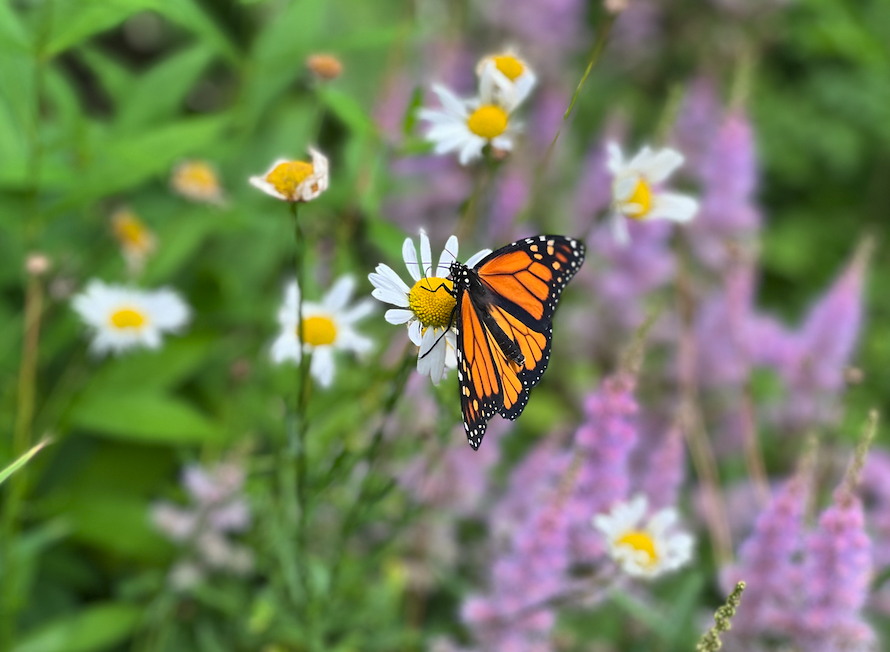
The afternoon sun was fading when the family gathered on the porch after the funeral. No one spoke much. Then a monarch butterfly drifted across the yard and landed, still and unhurried, on the empty chair where Grandma always sat. Someone whispered, “She’s here.” Across cultures and centuries, butterflies have carried a powerful message for the grieving: transformation, not ending.
In many cultures, the butterfly is a symbol of the soul’s journey after death — its metamorphosis from caterpillar to winged creature representing transformation, resurrection, and the endurance of the spirit beyond physical life. If you’ve ever seen a butterfly at just the right moment and felt a quiet certainty that it meant something, you’re not alone. According to grief counselors, finding signs — butterflies, cardinals, meaningful songs — is one of the most common ways people cope with loss. Many families report butterfly sightings within the first two weeks of a loved one’s passing, often in places their loved one cherished most.
The Significance of Butterflies and Death: Why This Symbol Endures
The connection between butterflies and death is not a modern invention. It stretches back thousands of years, rooted in something we can all observe in nature: a creature that appears to die in one form and emerge, transformed, in another.
The butterfly’s life cycle — egg, caterpillar, chrysalis, winged adult — mirrors the way many people understand the journey of the soul. The caterpillar’s world is small. The chrysalis looks like an ending. But what comes next is something entirely new and beautiful.
A Universal Language of Hope
This is why the butterfly appears so often at funerals, on memorial cards, and in grief support resources. It offers a wordless answer to the hardest question grief asks: Is this really the end? For many, the butterfly says no.
The significance of butterflies and death resonates across religious and secular communities alike. You don’t need to hold a specific belief to find comfort in watching a butterfly rise. The symbol speaks to something deeply human — our need to believe that love and connection survive loss.
Butterfly Symbolism Across Cultures and Faith Traditions
The butterfly as a grief symbol appears in traditions spanning ancient Greek mythology (the word psyche means both “soul” and “butterfly”), Christian resurrection imagery, Mexican Día de los Muertos celebrations (monarch butterflies), and Native American spiritual beliefs.
Ancient Greece and the Soul
In ancient Greece, the goddess Psyche was depicted with butterfly wings. The Greeks saw the butterfly’s emergence from its chrysalis as a direct metaphor for the soul leaving the body. When you see butterfly symbolism after someone dies, you’re participating in a tradition that is at least 2,500 years old.
Christian Resurrection Imagery
Within the Christian tradition, the butterfly has long represented resurrection and eternal life. The three stages — caterpillar, chrysalis, butterfly — parallel life, death, and resurrection. Early Christian art frequently used butterfly imagery on tombs and in church mosaics as a sign of hope in life everlasting.
Día de los Muertos and the Monarchs
In Mexico, the annual arrival of monarch butterflies each fall coincides with Día de los Muertos — the Day of the Dead. Many families believe the monarchs carry the souls of their deceased loved ones home for a visit. The sight of thousands of monarchs filling the sky is both a natural wonder and a deeply spiritual moment.
Native American and Eastern Traditions
Several Native American traditions view butterflies as messengers between the living world and the spirit world. In some tribes, a butterfly appearing after a death is understood as confirmation that the loved one’s spirit has safely crossed over. In Japan, butterflies symbolize the soul, and a butterfly entering your home is considered a visit from someone who has passed.
Why Butterflies Appear After a Loved One Dies: Science and Spirit
Many grieving people report seeing butterflies at meaningful moments — during a funeral, on an anniversary, or in a place their loved one cherished. What explains these encounters?
The Science of Attention
Psychologists point to a concept called selective attention. When we are grieving, our minds actively search for meaning and connection. We become more attuned to our surroundings. A butterfly that might have gone unnoticed on an ordinary Tuesday becomes significant on the day we scatter ashes in the garden.
This does not make the experience less real. Grief opens our awareness. Whether you see that heightened awareness as psychological or spiritual — or both — the comfort it brings is genuine.
The Spiritual Perspective
Many faith traditions and spiritual practices hold that loved ones can send signs from beyond. Butterflies are among the most commonly reported signs, alongside cardinals, specific songs, and meaningful scents. For those who hold this belief, a butterfly landing nearby is not coincidence. It is communication.
There is no wrong way to interpret a butterfly sighting during grief. Whether you find comfort in science, faith, cultural tradition, or simply the beauty of the moment, the meaning you take from it is yours.
How Butterfly Symbolism Brings Comfort During Grief
Grief is not a problem to solve. It is a journey to walk through. Butterfly symbolism offers something valuable along that path: a framework for understanding loss that includes hope.
Reframing Death as Transformation
When we think of a loved one’s passing as a kind of metamorphosis rather than a disappearance, grief shifts. The pain does not vanish. But the story changes. Your loved one has not been erased. They have changed form — like the butterfly.
Real Stories of Comfort
Grief counselors who work with bereaved families hear butterfly stories often. One Minneapolis family described watching a monarch land on their mother’s favorite garden bench on the morning of her memorial service — a moment that brought unexpected calm to an otherwise devastating day. Another family noted a yellow swallowtail appearing at the graveside of a father who had kept a butterfly garden for decades. According to grief counselors, these experiences are not unusual. Finding meaningful signs in nature is one of the most widely reported and psychologically healthy parts of the grieving process — a way of maintaining connection when physical presence is no longer possible.
Creating Rituals of Remembrance
Many families find comfort in incorporating butterfly symbolism into how they honor a loved one’s memory. Some ideas include:
- Planting a butterfly garden with milkweed and native flowers
- Releasing butterflies at a memorial service
- Placing a butterfly ornament on a holiday tree
- Keeping a journal of meaningful butterfly sightings
- Donating to monarch conservation in a loved one’s name
These rituals create tangible ways to stay connected to someone who has died. They give grief a place to go.
Ready to honor their memory? Explore Our Lady of Peace’s bereavement garden and support options at ourladyofpeacemn.org/bereavement-services/.
Finding Support Along the Way
Butterfly symbolism can open the door to healing, but you don’t have to walk the path of grief by yourself.
Connect Early: Reaching out within the first two weeks of a loss can help prevent deep isolation and give you much-needed footing when life feels uncertain.
Community Care: Our Lady of Peace provides free bereavement services to the broader Twin Cities community—not just hospice families—as space allows.
All Are Welcome: Whether your loss happened yesterday or years ago, joining a support group or speaking with a grief counselor can provide comfort for the road ahead.
You do not need to grieve alone. Explore our community grief resources today to take the next step.
Frequently Asked Questions About Butterflies and Loss
What does it mean when a butterfly lands on you after someone dies?
Many people interpret a butterfly landing on them after a loss as a sign of connection from their loved one. In several cultural and spiritual traditions, this is seen as a message of peace — a way of saying, “I am still with you.” Whether you view this through a spiritual lens or as a moment of beauty during a difficult time, the comfort is real and valid.
Are butterflies a sign from a loved one who passed?
There is no single definitive answer, and that is part of the beauty of this symbol. Many grief counselors acknowledge that finding signs — butterflies, cardinals, songs — is a natural and healthy part of the grieving process. It helps us maintain a sense of ongoing connection. If a butterfly sighting brings you peace, trust that feeling.
What type of butterfly is associated with death and rebirth?
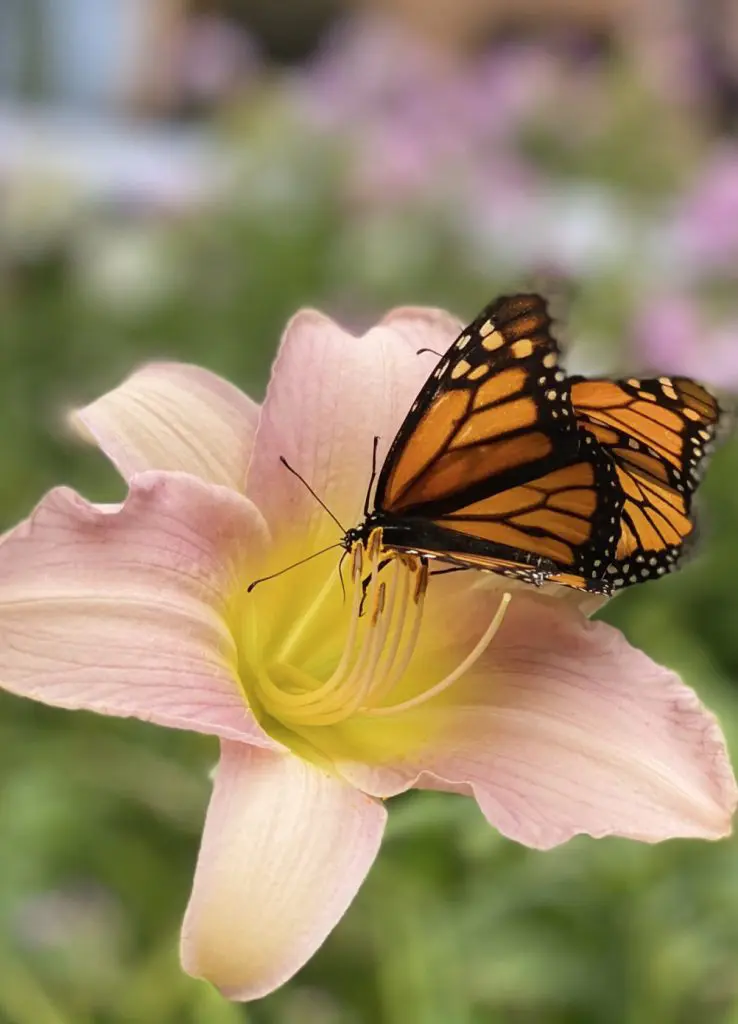
The monarch butterfly is the species most frequently associated with death, rebirth, and the souls of the departed — particularly in Mexican Día de los Muertos traditions. In broader Western symbolism, any butterfly species can carry this meaning because the association stems from the metamorphosis life cycle rather than a specific species.
How can I use butterfly symbolism to honor a loved one’s memory?
Planting a butterfly garden is one of the most meaningful tributes. Choose native plants like milkweed, cone flower, and black-eyed Susans to attract butterflies to a special space. You might also incorporate butterfly imagery into a memorial — a pendant, a framed print, or a donation to butterfly conservation in their name. Some families create a butterfly release ceremony during a memorial service or on an anniversary.
Grief asks us to hold two things at once: the weight of what we’ve lost and the possibility that love endures beyond it. The butterfly does not take away the pain. But it offers a quiet, ancient reminder that endings and beginnings are sometimes the same thing.