When Is It Time for Hospice? Signs, Criteria & Starting the Conversation

Two Families, Two Paths
When Margaret’s husband was diagnosed with advanced heart failure, their adult daughter Karen began researching options right away. Within weeks, the family invited a hospice team into their St. Paul home. For the next four months, Margaret’s husband received regular comfort care visits, spent unhurried afternoons with grandchildren, and passed peacefully with his family beside him. Karen still says those months were a gift.
Across town, the Andersons waited. Their father had late-stage COPD, but the family kept hoping for one more treatment, one more hospital stay that might turn things around. By the time they called hospice, he had only three days left. “We wish someone had told us sooner,” his son David said. “He deserved more time feeling comfortable, not more time in the ER.”
Hospice care is a Medicare-covered benefit for individuals with a terminal illness and a life expectancy of six months or less, focused on comfort rather than curative treatment. Understanding when hospice is recommended can help your family choose comfort, dignity, and quality time — before a crisis forces the decision.
This guide walks you through the clinical criteria, the signs to watch for, and practical advice for starting the conversation with your family and your loved one’s healthcare provider.
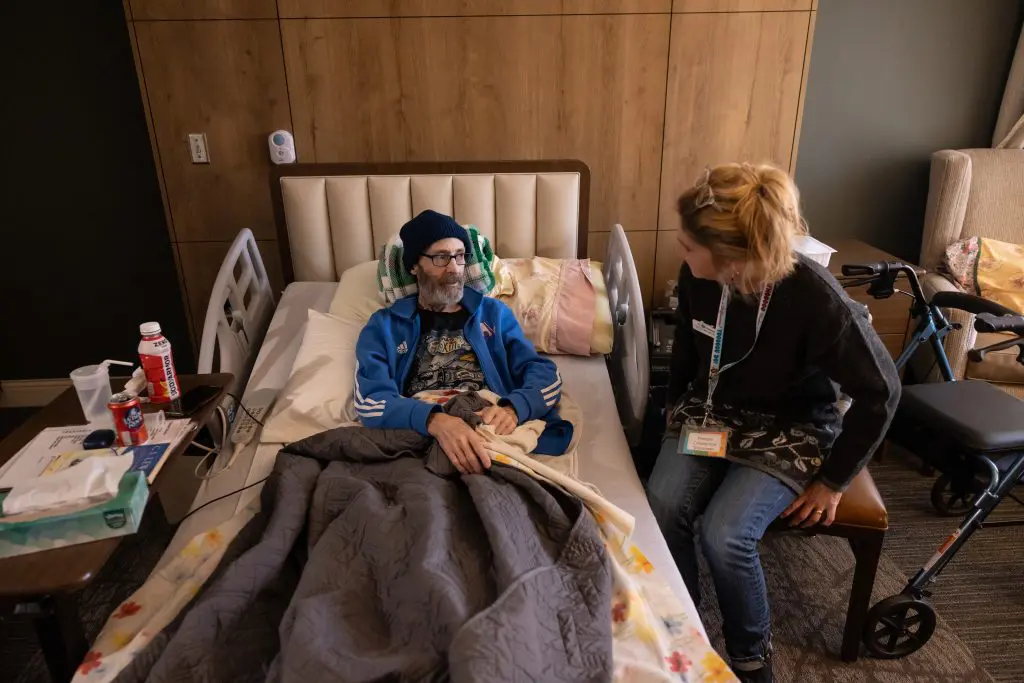
When Is Hospice Recommended? Understanding the Clinical Criteria
Hospice care is appropriate for people with any serious illness who have a prognosis of six months or less, as determined by the patient’s healthcare provider. The serious illness can be a chronic condition where further treatment options are either limited or no longer beneficial.
A hospice recommendation does not mean “nothing more can be done.” It means the focus of care shifts from trying to cure the illness to ensuring patient-centered goals with the highest possible quality of life for however much time remains.
Who Determines Hospice Eligibility?
Two physicians must certify that a patient’s life expectancy is six months or less if the illness follows its expected course. Typically, this involves the patient’s primary care provider or specialist and the hospice medical director — the hospice doctor who oversees each patient’s care plan and coordinates with the broader care team.
Most primary care providers or specialists may initiate the conversation about starting hospice care. But patients and their loved ones can absolutely bring up the topic as well. You do not need to wait for a doctor to mention it first.
What Conditions Qualify?
Hospice is not limited to cancer. Common qualifying diagnoses include:
- Cancer
- Advanced heart failure
- Late-stage COPD or other lung diseases
- End-stage kidney or liver disease
- Advanced dementia or Alzheimer’s disease
- ALS and other neurological conditions
- Stroke with severe functional decline
- General frailty with multiple system decline
The key question is not the specific diagnosis but whether curative treatment is still effective and desired. When the answer shifts toward comfort, hospice becomes the compassionate next step.
Comfort-Focused Care: Hospice and Other Options
Families sometimes ask how hospice differs from other types of comfort-focused care. The simplest distinction: hospice is a specific Medicare benefit for people with a six-month prognosis who choose comfort over curative treatment. Other comfort-focused or supportive care approaches can accompany curative treatment at any stage of illness.
If your loved one is not yet at the six-month threshold but is experiencing significant symptoms or distress, ask their care team about supportive or symptom-focused care options that can run alongside ongoing treatment. When curative options are exhausted or no longer desired, hospice becomes the appropriate and covered next step. Your loved one’s physician can help clarify which level of care fits the current situation.
Common Signs It May Be Time for Hospice Care
Families often wonder how to know when it is time for hospice. While every person’s journey is unique, certain patterns signal that the body is declining despite treatment.
According to the National Hospice and Palliative Care Organization, the median length of hospice service in the U.S. is 18 days — yet patients who enroll earlier report significantly higher quality of life and family satisfaction.
— NHPCO
That statistic tells a heartbreaking story. Most families wait too long. Starting the hospice conversation early gives families 2 weeks to 2 months to prepare together — rather than waiting until a crisis forces a decision in 2 days at the emergency room. Recognizing these signs early can give your loved one weeks or months of comfort instead of hours.
Physical Signs to Watch For
- Frequent hospitalizations or ER visits. If your loved one has been hospitalized two or more times in the past six months for the same condition, the illness may no longer respond to acute treatment.
- Unintended weight loss. A loss of 10% or more of body weight over the past six months, especially without trying, often signals significant physical decline.
- Increasing weakness and fatigue. Spending most of the day in bed or a chair, needing help with bathing, dressing, or eating — these changes reflect declining functional status (meaning the ability to perform daily activities like bathing, dressing, and eating independently).
- Recurring or worsening infections. Frequent infections such as pneumonia or urinary tract infections that become harder to treat may indicate the immune system can no longer fight effectively.
- Shortness of breath at rest. When breathing becomes difficult even without exertion, the body is working harder than it can sustain.
Emotional and Cognitive Signs
- Withdrawal from activities, hobbies, or social interaction that once brought joy
- Increasing confusion, disorientation, or difficulty recognizing familiar people
- Restlessness, agitation, or significant changes in sleep patterns
- Expressions of readiness or acceptance — your loved one may say things like “I’m tired of fighting” or “I just want to be comfortable”
When Is Hospice Recommended for Dementia Patients?
Dementia presents unique challenges because the decline is gradual and families often struggle to identify the “right time.” Hospice may be appropriate when a person with dementia can no longer communicate meaningfully, needs assistance with all activities of daily living, experiences recurrent infections, or has difficulty swallowing.
The FAST score — short for Functional Assessment Staging Test — is the most commonly used clinical tool to evaluate dementia progression. A FAST score of 7 or higher, indicating the person can no longer walk independently, speak more than a few words, or sit up without support, generally meets hospice eligibility criteria.

Medicare Hospice Eligibility: The 6-Month Prognosis Guideline
One of the most common questions families ask is about cost. The reassuring answer: Medicare covers the vast majority of hospice care.
Medicare covers 100% of hospice services including medications, equipment, and nursing visits related to the terminal diagnosis.
— Medicare.gov
What Medicare Hospice Benefits Include
- Nursing care and home health aide visits
- Physician services and medical direction
- Medications for symptom control and pain management related to the hospice diagnosis
- Medical equipment such as hospital beds, wheelchairs, and oxygen
- Physical therapy, occupational therapy, and speech therapy as needed
- Counseling and spiritual care for patients and families
- Short-term inpatient care for symptom management
- Bereavement support for families for up to 13 months after a loved one’s passing
How the 6-Month Guideline Works
The six-month prognosis does not mean hospice care ends after six months. If a patient continues to meet the criteria, hospice care can be recertified and continue as long as needed. Some patients receive hospice care for a year or more.
Conversely, if a patient’s condition improves, they can be discharged from hospice and return to curative treatment. Choosing hospice is not a one-way door.
Understanding Levels of Hospice Care
Medicare defines four levels of hospice care, and knowing the options helps families make informed choices:
- Routine Home Care — The most common level. A hospice team visits the patient in their home, assisted living facility, or nursing home. Our Lady of Peace provides in-home hospice care throughout the Twin Cities.
- Continuous Home Care — During a medical crisis, hospice provides extended nursing care in the home for 8 to 24 hours a day until the crisis is managed.
- General Inpatient Care — When symptoms cannot be managed at home, patients may receive care in a hospice facility. Our Lady of Peace offers a 21-room residential hospice in St. Paul — one of the few stand-alone hospice residences in Minnesota.
- Respite Care — Short-term inpatient care (up to five days) to give family caregivers a needed break.

How Hospice Enrollment Works
Starting hospice care is simpler than most families expect. Here is what the process typically looks like:
- Contact a hospice provider. You can call a hospice agency directly — no referral is required. A care coordinator will gather basic information and answer your questions.
- Initial assessment. A hospice nurse visits the patient to assess their condition, review their medical history, and confirm likely eligibility.
- Physician certification. The patient’s physician and the hospice medical director review the assessment and certify that the patient meets the six-month prognosis criteria.
- Care plan development. The hospice team — including nurses, aides, a social worker, chaplain, and medical director — meets with the patient and family to develop a personalized care plan reflecting the patient’s goals, preferences, and needs.
- Care begins. Equipment is delivered, medications are arranged, and scheduled visits begin — typically within 24 to 48 hours of enrollment.
The entire process from first call to care beginning often takes two to three days. Families frequently say they wish they had called sooner.
How to Start the Hospice Conversation with Your Family
For many families, the hardest part of hospice is not the care itself — it is the conversation that leads to it. These discussions touch on mortality, loss, and deeply personal values. But avoiding the conversation often leads to exactly the outcome families fear most: a crisis decision in an emergency room instead of a thoughtful choice made together.
Families who choose hospice early consistently report better experiences. In national surveys, more than 90% of family members whose loved ones received hospice care report high satisfaction with the care provided — and say they would choose hospice again. Starting the conversation early, before a crisis, is what makes that experience possible.
Talking with Your Loved One
Start by listening rather than directing. Ask open-ended questions:
- “What matters most to you right now?”
- “How are you feeling about your treatment?”
- “What would a good day look like for you?”
Many people who are seriously ill have already thought about these questions. They may be waiting for someone to give them permission to say what they are feeling. Approach the conversation with curiosity and without an agenda.
If your loved one expresses a desire for comfort over continued treatment, honor that. Hospice is not giving up. It is choosing to focus on living well for the time that remains.
Talking with Your Family
Siblings and family members often disagree about hospice timing. Some may feel that choosing hospice means abandoning hope. Others may have been quietly researching for weeks.
A few guidelines that help:
- Share information, not opinions, first. Provide the clinical facts about your loved one’s condition and prognosis. Let the information guide the discussion.
- Acknowledge the grief. The decision to begin hospice means acknowledging that a cure is unlikely. Give everyone space to feel that loss.
- Focus on your loved one’s wishes. When family disagreements arise, return to the question: “What would Mom want?”
Talking with the Healthcare Team
You do not need to wait for a doctor to bring up hospice. If you are noticing the signs described in this guide, ask directly:
- “Would my father be eligible for hospice care?”
- “What would hospice look like for someone with her condition?”
- “Can you help us understand what to expect in the coming months?”
Most physicians welcome these questions. They may have been waiting for the family to signal readiness.
Choosing the Right Hospice Provider
Patients and families always have a choice in who provides their hospice care. This is an important and deeply personal decision. We recommend interviewing a few agencies before choosing. Questions to ask include:
- What are your team’s caseloads? Smaller caseloads mean more time and attention for your loved one. At Our Lady of Peace, our teams manage smaller caseloads to ensure patients always come first.
- Do your staff have productivity measures? Some agencies require staff to see a certain number of patients per day, which can limit the time and attention each person receives. Our teams do not have productivity measures — we believe care should never be rushed.
- What levels of care do you offer? Not all hospice agencies provide residential care. If your loved one’s symptoms may require inpatient management, ask whether the agency has a facility or relies on contracted beds elsewhere.
- Can my loved one maintain their relationship with their Primary Care Provider? Some hospice providers require patients to work exclusively with hospice physicians, while others allow patients to continue seeing their own primary care provider. Ask each agency about their policy so your loved one’s existing care relationships can be preserved wherever possible.
- How do you support families after a loss? Bereavement care varies widely. Ask about the scope and duration of grief support services.
Frequently Asked Questions About Hospice Timing
Can you receive hospice care if your doctor hasn’t mentioned it?
Yes. Patients and family members can request a hospice evaluation at any time. You do not need to wait for a physician to bring it up. If you believe your loved one may qualify, contact a hospice provider directly. A care coordinator can help determine eligibility and work with the patient’s physician to initiate the process.
What happens if a patient improves while on hospice?
If a patient’s condition stabilizes or improves, they can be discharged from hospice and return to curative treatment. This happens more often than many families expect. Hospice enrollment is not irreversible, and some patients re-enroll later if their condition changes again.
Does choosing hospice mean giving up?
No. Hospice is not giving up — it is choosing a different kind of care. Instead of treatments aimed at curing a disease that is no longer responding, hospice focuses on managing pain, providing comfort, and supporting quality of life. Many families describe the decision as one of the most loving choices they have made.
How long can someone receive hospice care?
There is no fixed time limit. While the initial eligibility requires a six-month prognosis, hospice care can be recertified indefinitely as long as the patient continues to meet the medical criteria. Some patients receive hospice care for a year or longer.
Can hospice be provided at home or only in a facility?
Hospice care can be provided wherever a person calls home — their own house, an apartment, an assisted living community, or a nursing home. For patients whose symptoms require more intensive management, residential hospice facilities like Our Lady of Peace’s 21-room residence in St. Paul provide around-the-clock care in a peaceful, homelike setting. Most hospice agencies offer only in-home care, so ask about facility options when choosing a provider.

You Don’t Have to Navigate This Alone
If you are reading this guide, you are already asking the right questions. The fact that you are wondering whether hospice may be right for your loved one is itself a sign that the conversation is worth having.
Hospice is not the end of care. It is the beginning of a different kind of care — one focused entirely on your loved one’s comfort, dignity, and quality of life. And it is a gift that families almost always wish they had chosen sooner.
If you’re asking the question, it may be time to have the conversation. We’re here to help you explore your options.
Call Our Lady of Peace at 651-789-5031 to speak with a care coordinator. Our team serves families throughout the Twin Cities with in-home hospice, residential hospice care, and bereavement support. No referral is needed to call.